







PLC Programming for Machinery and Industrial Equipment
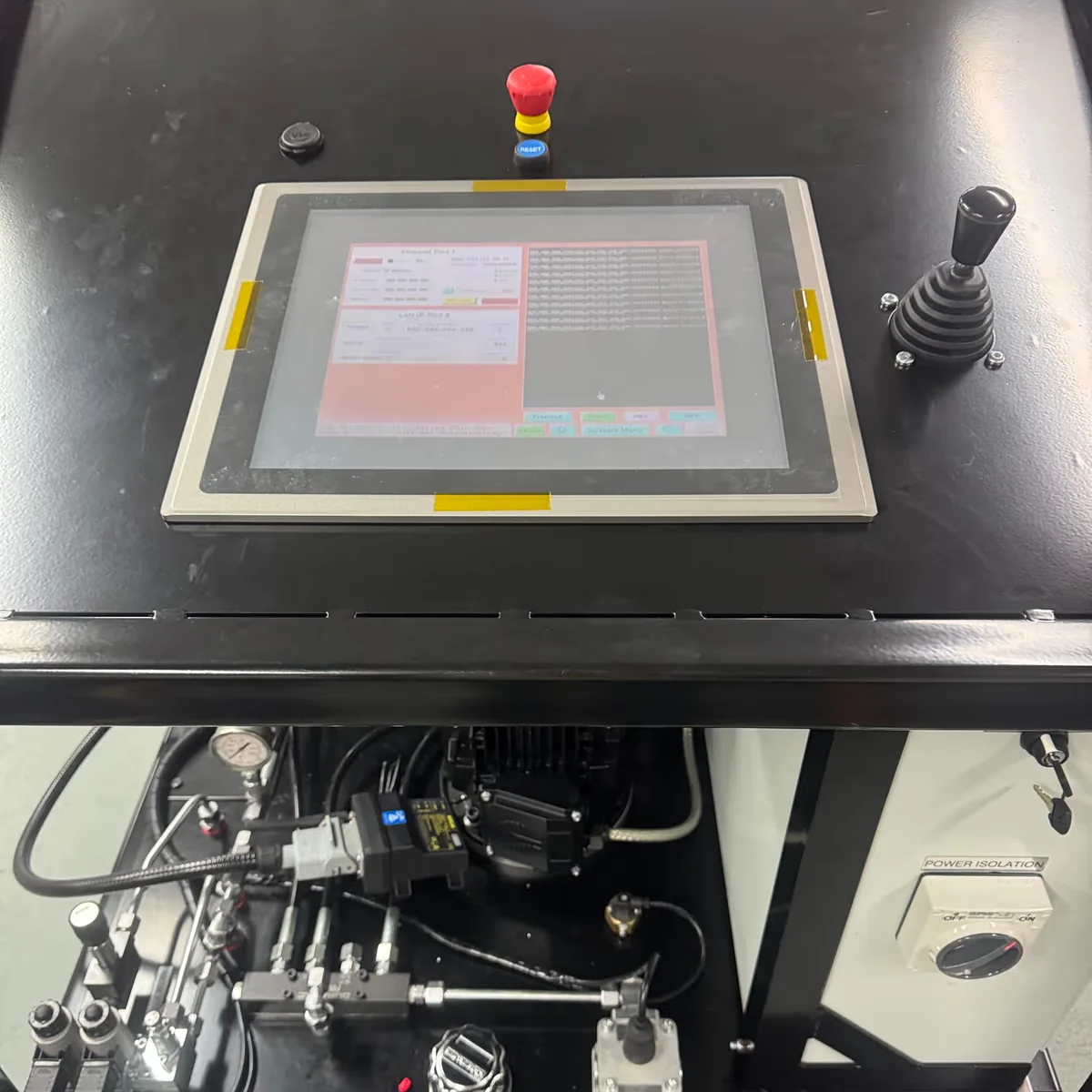
A PLC is often the point where the electrical design becomes machine behaviour. Inputs from sensors, switches, load cells and other field devices are processed through the program, then used to control motors, drives, valves, contactors and other outputs.
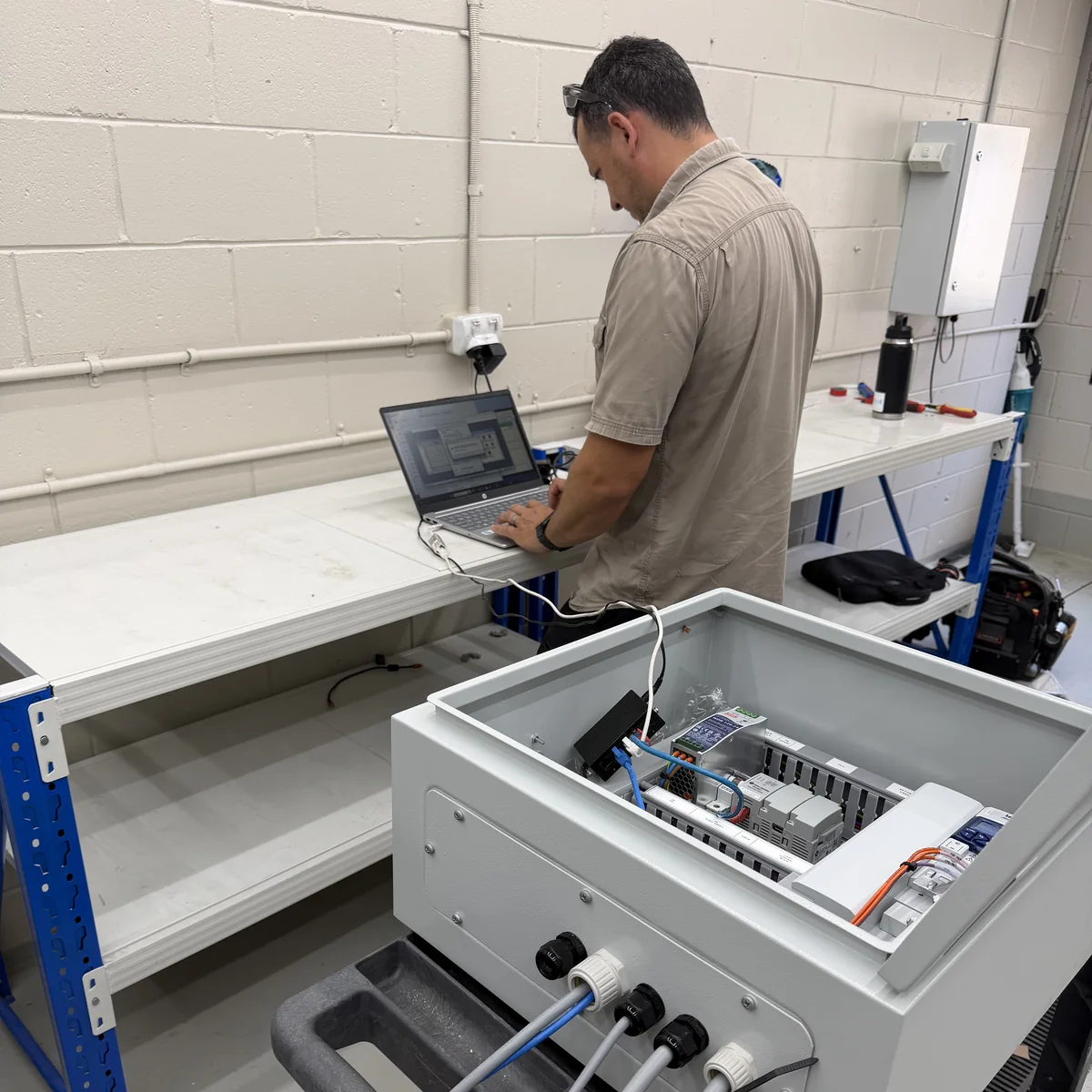
We can support PLC-controlled machinery as part of a new machine build, control-system upgrade, fault-finding task or commissioning scope. The electrical drawings and intended operating sequence guide the program loaded into the controller.
The exact programming approach depends on the machine, the controller and the requirements of the client. We work across mixed controls platforms.

Speak to our team.
Tell us what you need and we’ll talk through the next step.
Ladder Logic, HMI and Control Integration
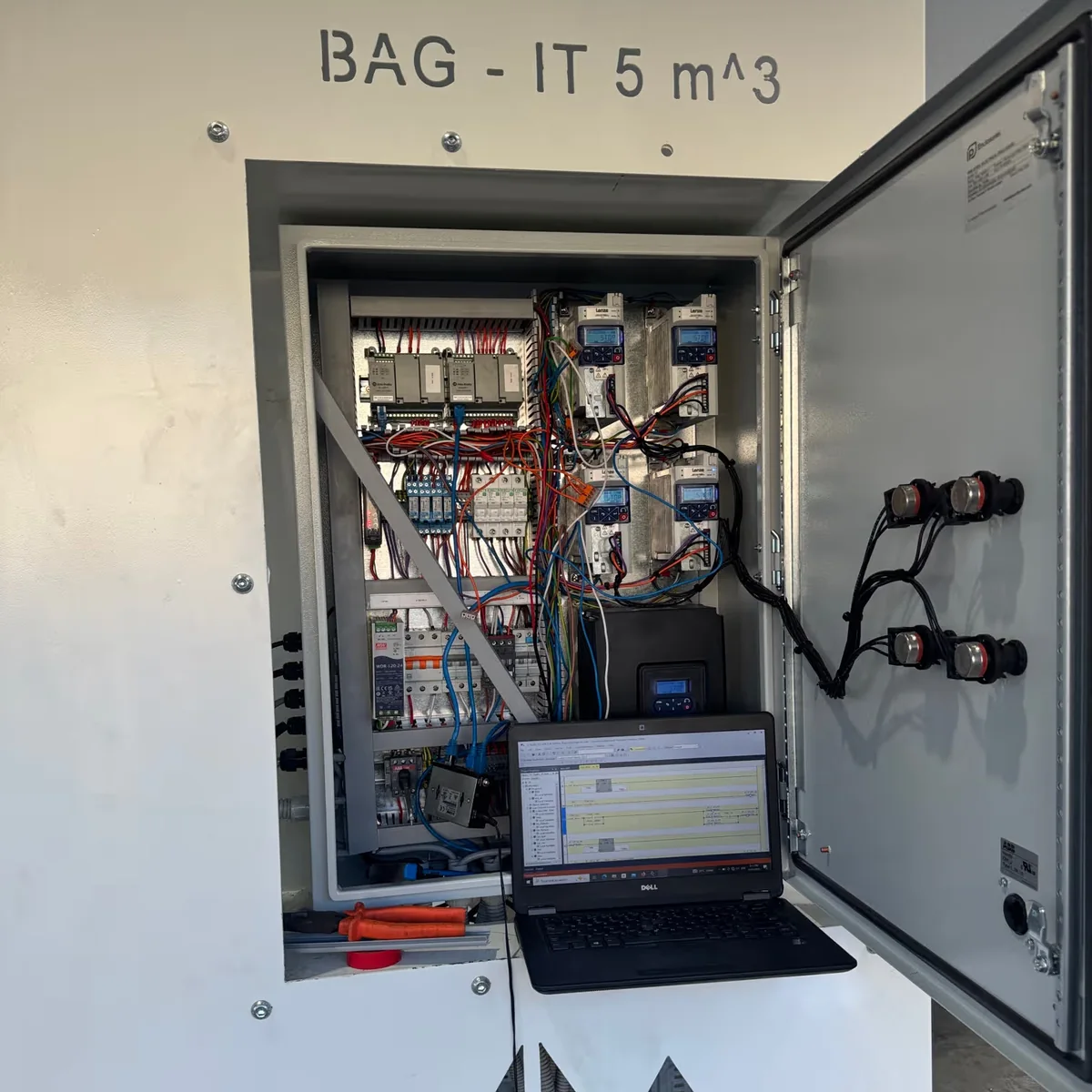
PLC programming rarely sits on its own. The program needs to match the electrical design, the field hardware and the way an operator interacts with the machine.
Depending on the project, we can work across:
- PLC control logic and ladder design
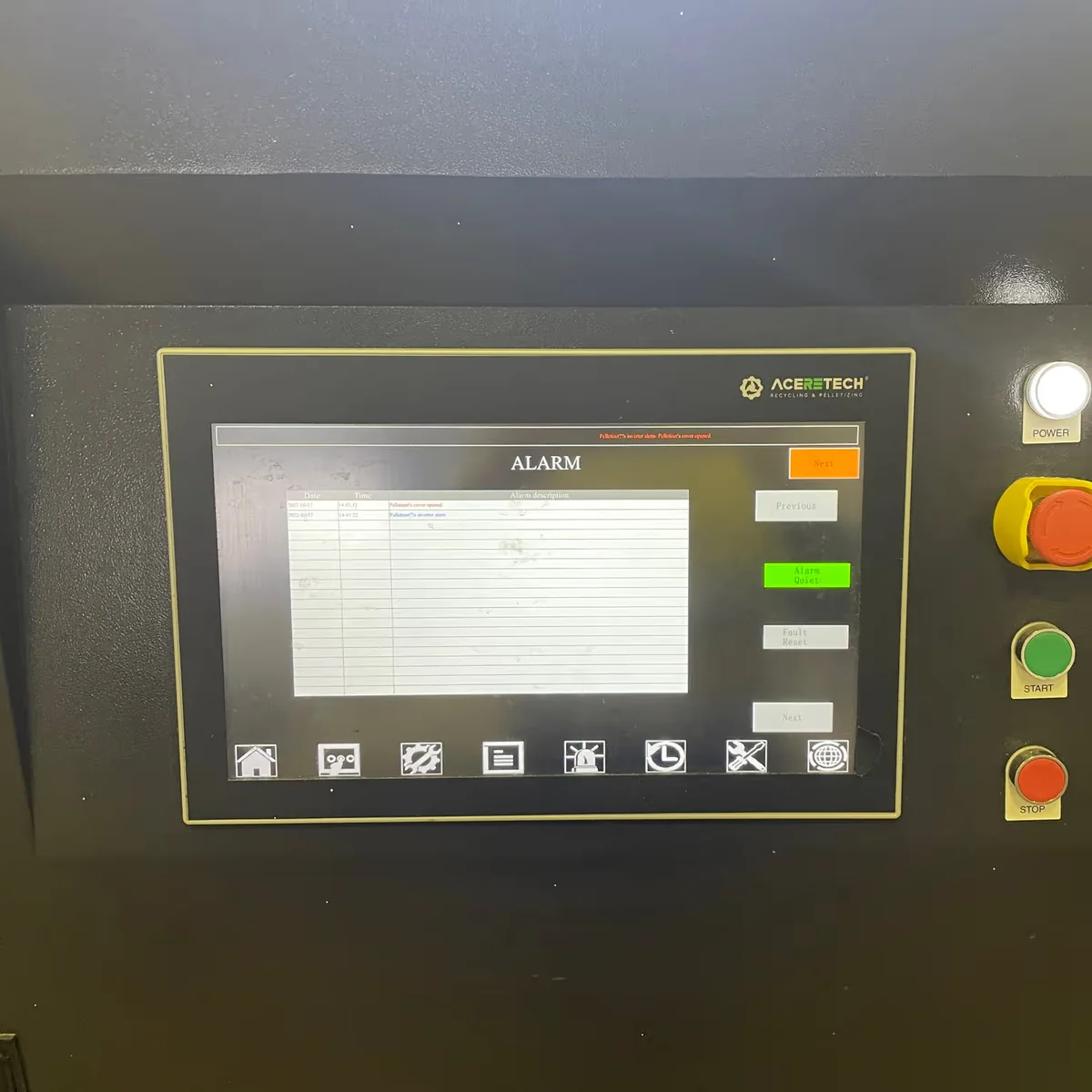
- HMI interfaces and operator controls
- VSD control and status integration
- Motor control and protection
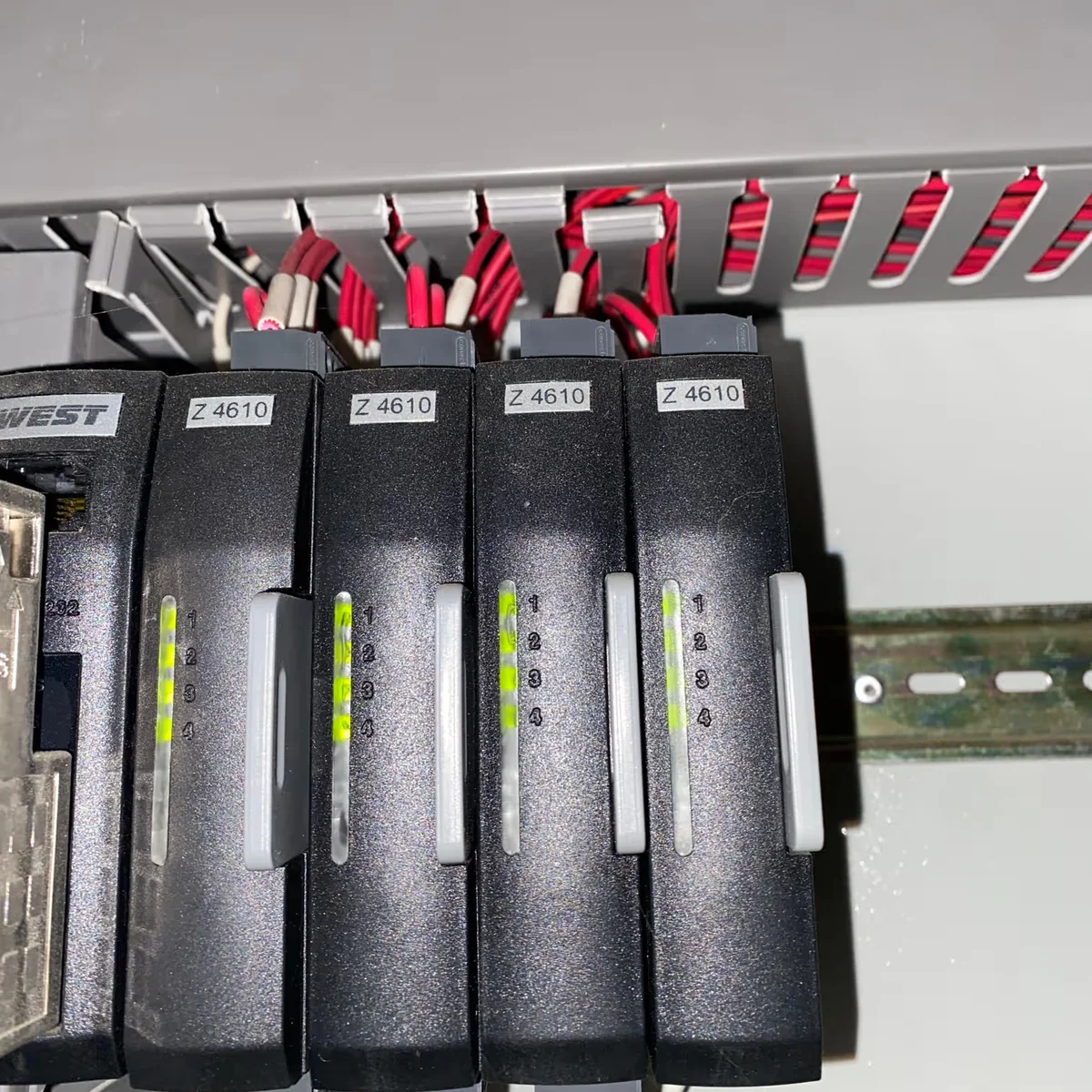
- Remote I/O
- Sensors and instrumentation
- Encoders and position feedback
- Load cells and weighing systems
- Safety relays and machine-safety interfaces
- Industrial communications including EtherCAT applications
- Contactors, overloads and circuit protection
- Field cabling and industrial connectors
The aim is to make the control logic reflect the real machine rather than treating software and electrical work as separate disciplines.
Automation Without Forcing a Standard Platform
Many OEMs already have preferred hardware. Existing machines may also need to be modified without replacing the entire controls architecture.
We have worked with or integrated platforms and components from Allen-Bradley / Rockwell Automation, Beckhoff, Omron, Schneider Electric, ABB, Siemens, Phoenix Contact, SICK, Pilz and other industrial manufacturers.
We can work around the application and the equipment the client already uses where practical. That is particularly useful for machinery manufacturers that need support across different customer specifications.
Technical considerations for your project
New Machines, Upgrades and Existing Systems
PLC work can be required at several stages of a machine's life.
For a new machine, the scope may begin with electrical planning, control-panel design and I/O requirements before progressing into programming and commissioning.
For an existing system, the task may involve modifying logic to suit a changed process, integrating additional controls, replacing or adding a VSD, troubleshooting an input or output problem, or tracing a fault that appears in the program but originates in a field device.
This is where combined electrical and controls capability matters. A false PLC reading, for example, may not be a software problem at all. Interference from field devices can create false readings on a data cable. Solving that type of issue requires looking beyond the PLC screen and understanding the wider electrical system.
Testing the Sequence, Not Just the Program
A PLC program can compile correctly and still fail to operate the machine as intended.
Our commissioning approach can include functional testing of the actual machine sequence, checking field inputs and outputs, verifying instrumentation, confirming VSD operation, reviewing HMI behaviour and tracing faults that only become visible once the equipment is operating.
Functional checks cover the electrical installation and its relationship with the machinery, with the testing and handover requirements agreed for each project.
Project Experience With PLC-Controlled Lifting Equipment
Our documented project experience includes electrical testing, commissioning and fault-rectification support on synchronised hydraulic lifting equipment used during construction of the Auckland Weiti River Bridge.
The work included PLC-controlled lifting-system support, load-cell diagnostics, instrumentation verification, performance verification and fault rectification. The systems incorporated load-cell feedback, PLC control and locking-screw technology.
We have also worked with Durapac / Absolute Equipment on SyncMaster lifting systems, including Allen-Bradley support, HMI integration, instrumentation, load monitoring and field commissioning.
These projects bring PLC support into machinery where controls, electrical systems, instrumentation and commissioning need to work together.
PLC and Automation Support From Brisbane
We’re based in Brisbane and services South East Queensland. If you are building, upgrading or commissioning machinery and need PLC programming as part of a broader control-system package, call the team on 0419 283 055 to discuss the platform, machine requirements and current electrical design.
Questions about this service
Do you work with an existing controls platform?
Yes. We work around the controls and systems you already have on the machine or site. Send through any drawings or equipment details you have.
Where does Latched work?
We’re based in Brisbane and work across South East Queensland. If you need commissioning or project support further afield, talk to us and we’ll see what’s practical.
What should I send with an enquiry?
A short description of the equipment and its location is enough to start. Drawings, fault details and photos help if you have them.
From the first discussion to the agreed handover.

The application
Tell us about the equipment, the existing system and what needs to change.
The scope
We agree on the work, access and timing.
The work
We do the installation, integration or fault finding around your equipment.
The checks
We test and hand over the work as agreed.


Get started
A description of the application
is enough to start.
Tell us what your machine needs to do. Include any drawings or photos.