








Electrical Planning Before the Build Starts
Many electrical problems are easier to solve on a drawing than after the machine has been built.
Early planning can help define the control architecture, power requirements, motor and drive arrangement, panel layout, field devices, I/O, protection and installation requirements before the project reaches the workshop or site.
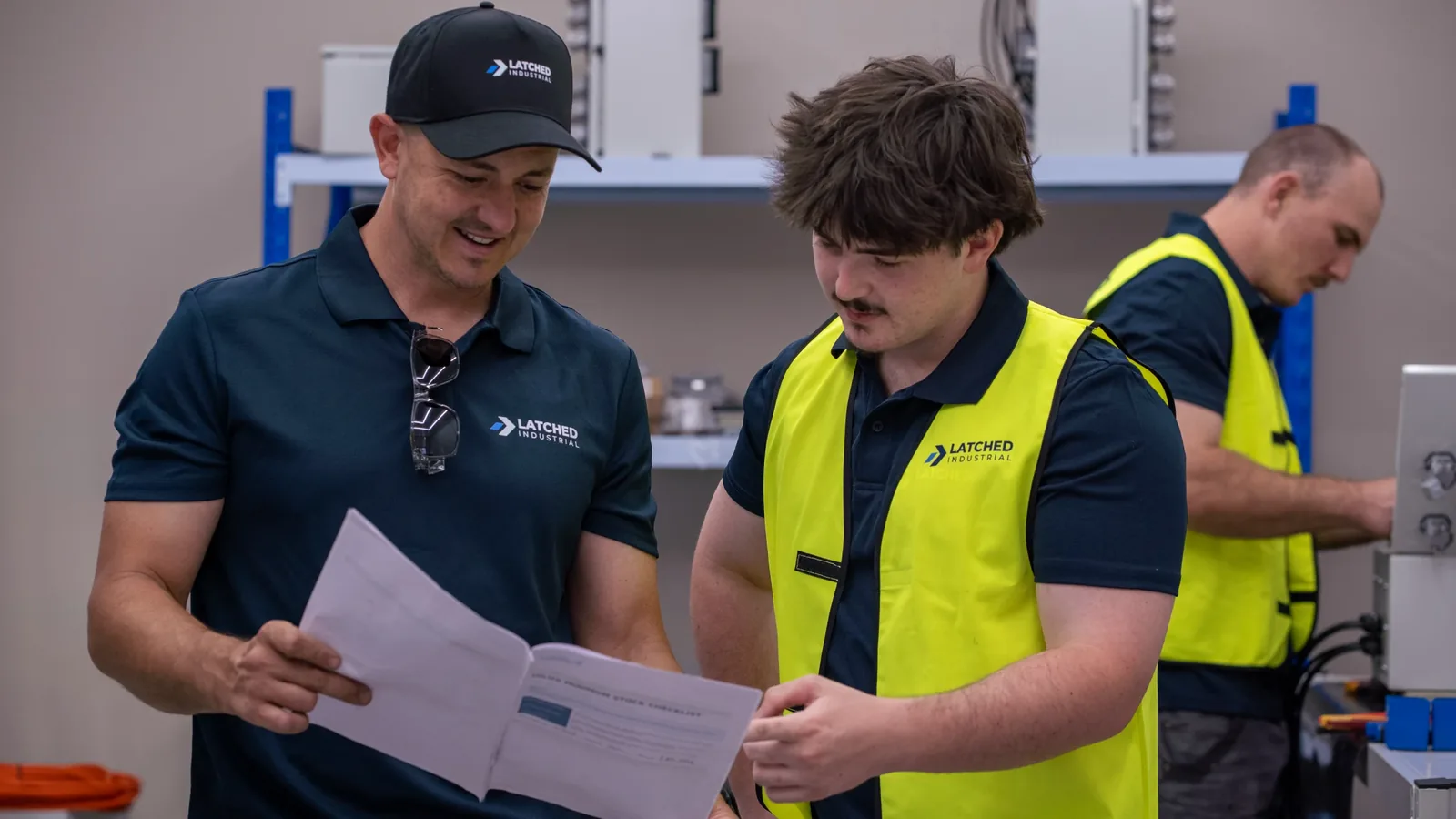
We can work with the client to understand how the machine or system is expected to operate, then translate those requirements into an electrical plan that can support panel build, wiring, controls integration and commissioning.


Speak to our team.
Tell us what you need and we’ll talk through the next step.
Electrical CAD Drawings and Documentation
Control panels and machinery packages often require electrical drawings as part of the delivery.
We can prepare electrical documentation and CAD drawings to support the project, depending on the required scope.
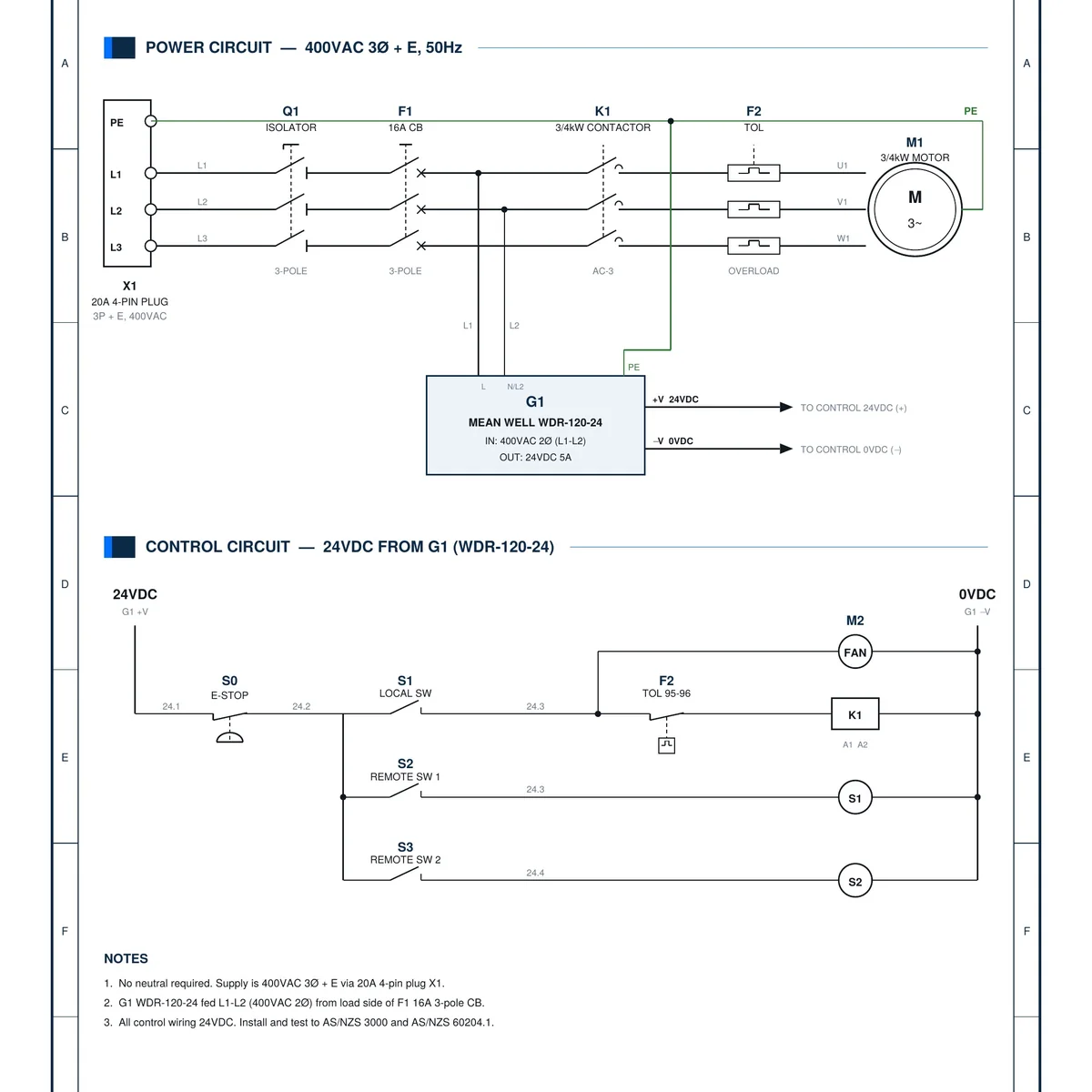
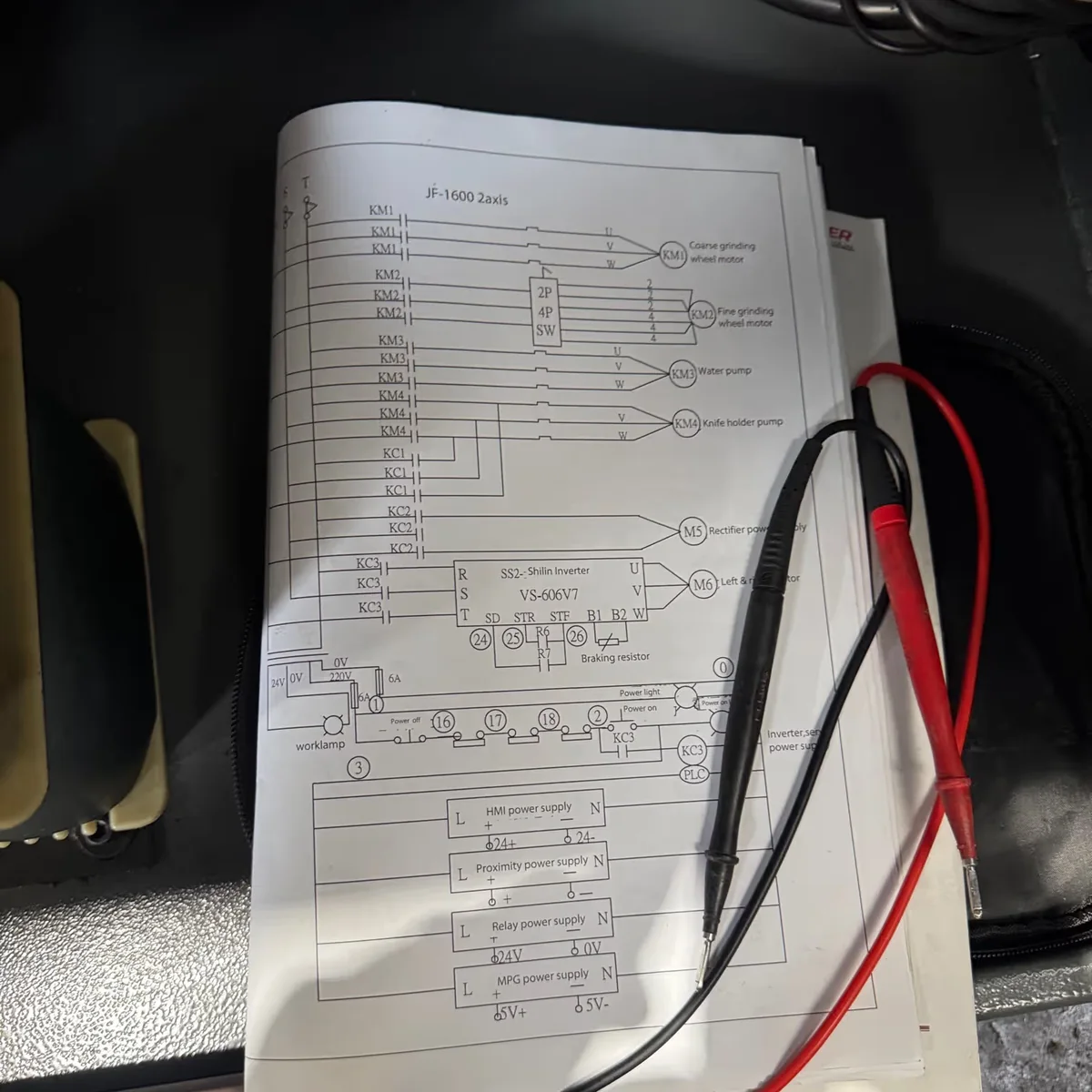
Documentation can cover areas such as:
- Electrical schematics
- Control circuits
- Panel and enclosure layouts
- Terminal and field-connection details
- Motor-control circuits
- PLC I/O references
- VSD interfaces
- Sensor and instrumentation connections
- Power and control separation
- Component references
- Cable and field-wiring information
- Updates to reflect the final delivered system
The document set and any engineering requirements are agreed around the project before the work proceeds.
Designing Around the Machine
A useful machinery electrical design starts with the application.
A conveyor, hydraulic power unit, bagging machine or custom piece of special-purpose equipment can have very different control and operating requirements. The electrical design needs to reflect the sequence, loads, controls, field devices and environment in which the equipment will operate.
We can support planning for:
- Hydraulic pump controls
- Conveyor systems
- Bagging and weighing equipment
- Mixer controls
- Special-purpose machinery
- Agricultural and processing equipment
- Motor and VSD applications
- Load-cell and instrumentation systems
- OEM electrical packages
- Industrial control panels
This machinery-first approach helps prevent the control panel, wiring and PLC program from being developed as disconnected pieces.
Technical considerations for your project
Controls, PLCs and I/O Planning
Where a PLC forms part of the system, design and programming decisions are closely linked.
The electrical drawings establish inputs, outputs, control circuits and field devices. The PLC program then uses that information to control the actual operating sequence.
Planning can therefore include the relationships between:
- PLC hardware
- HMI interfaces
- Remote I/O
- VSDs
- Motors and motor protection
- Sensors
- Encoders
- Load cells
- Instrumentation
- Safety relays
- Contactors and overloads
- Industrial communications
Aligning the drawings, I/O and ladder logic early keeps panel build, programming and commissioning connected.
Designing Around Existing Platforms
OEMs and industrial clients often have preferred controls manufacturers or existing systems that a new machine needs to work with.
We can plan around the platform requirements of the machine and client rather than forcing one standard brand into every project.
Experience with controls and components includes Allen-Bradley / Rockwell Automation, Beckhoff, Omron, Schneider Electric, ABB, Siemens, Phoenix Contact, SICK, Pilz, WEG, TECO, Eaton, Rittal and other industrial component suppliers.
From Design Into Panel Build and Installation
One advantage of involving us at the design stage is the ability to continue through the physical electrical work.
A project can move from planning and drawings into control-panel build, machine wiring, PLC programming, VSD integration, field connections, testing and commissioning where those elements are within the agreed scope.
That continuity helps keep the delivered system aligned with the original control intent and gives the team commissioning the equipment a working understanding of how the system was designed.
For an OEM, it can also reduce the handover points between the drawing package, panel builder, machine electrician and commissioning support.
Design Decisions Proven During Commissioning
Industrial electrical design ultimately needs to work on the real machine.
Our commissioning mindset is therefore relevant at the design stage. Functional testing, system verification, field commissioning and diagnostics create feedback on how the electrical and control design performs once connected to motors, drives, sensors, instrumentation and the physical equipment.
We have carried out this work across synchronised hydraulic lifting systems, control cabinets, bagging machinery, conveyors and industrial facility upgrades.
Commissioning experience helps inform practical decisions during future planning.
Questions about this service
Do you work with an existing controls platform?
Yes. We work around the controls and systems you already have on the machine or site. Send through any drawings or equipment details you have.
Where does Latched work?
We’re based in Brisbane and work across South East Queensland. If you need commissioning or project support further afield, talk to us and we’ll see what’s practical.
What should I send with an enquiry?
A short description of the equipment and its location is enough to start. Drawings, fault details and photos help if you have them.
From application requirements to a buildable design.

Site visit
Understand the application, constraints and existing installation.
Requirements
Establish the operating requirements and control philosophy.
Design
Electrical design, component selection and CAD documentation.
Handover or build
Drawings issued, or taken through to panel build and commissioning.


Get started
A description of the application
is enough to start.
Tell us what your machine needs to do. Include any drawings or photos.